


| Quantity: | |
|---|---|
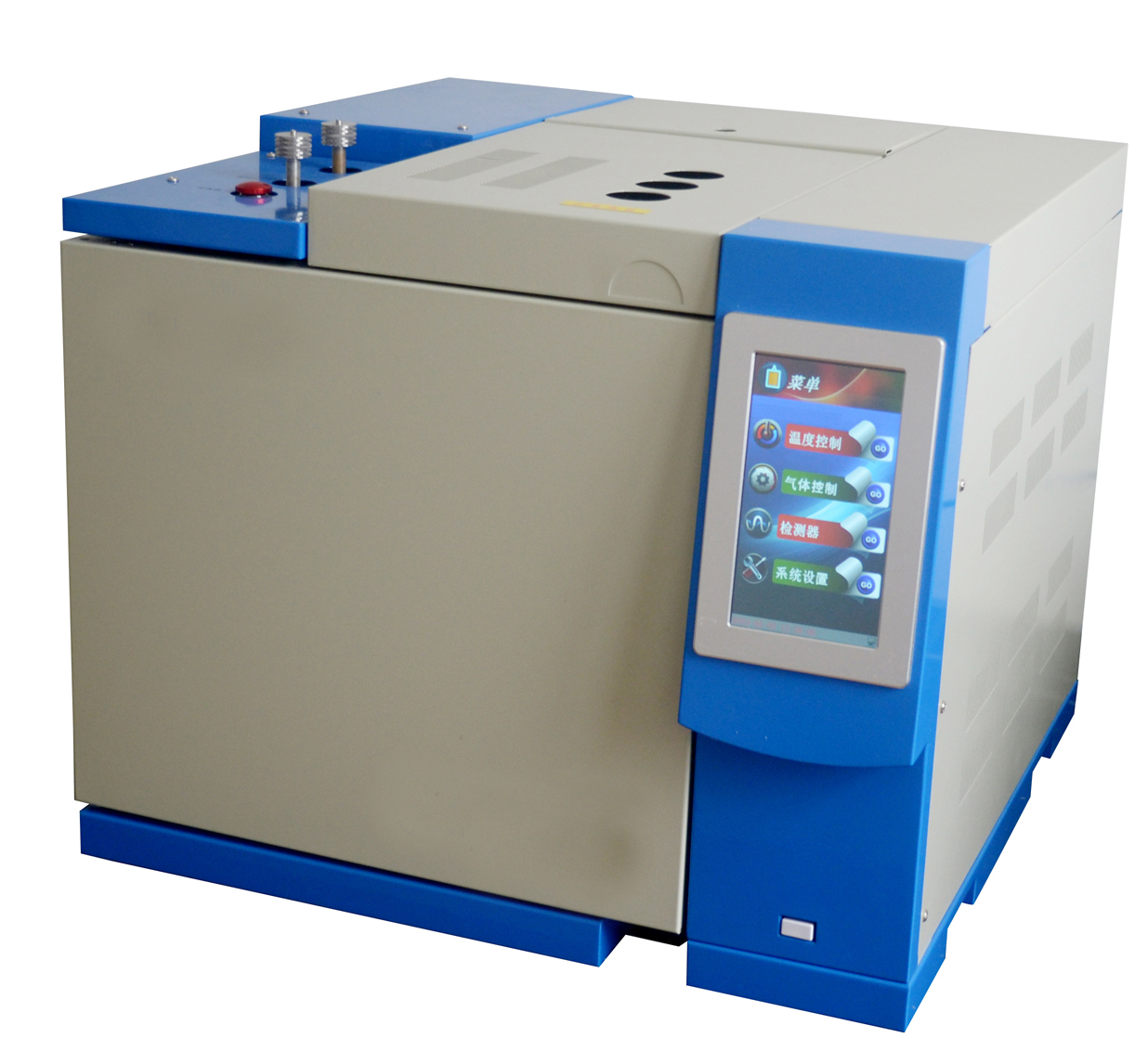
LSSP-1
Main functions and features:
1. It features a technologically advanced 10/100M adaptive Ethernet communication interface and comes with a built-in IP protocol stack, enabling the instrument to easily transmit data over long distances via enterprise intranets and the internet. This simplifies laboratory setup, streamlines laboratory configuration, and facilitates the management of analytical data.
2. The instrument’s internal design features three independent connection processes, enabling connections to local processing (on-site in the laboratory), the unit supervisor, and the higher-level supervisor. This allows the unit supervisor and higher-level supervisor to conveniently monitor the instrument’s operation and analyze data results in real time.
3. The network-based workstation included with the instrument can simultaneously support the operation of multiple gas chromatographs (up to 253 units), enabling data processing and remote control, simplifying document management, and minimizing users’ laboratory investment and operating costs to the greatest extent.
4. The instrument can connect to the manufacturer via the internet, enabling remote diagnostics, remote software updates, and other features (subject to user consent).
5. The instrument is equipped with a vacuum fluorescent display and comes with built-in Chinese and English operating interfaces to meet the diverse needs of different users.
6. The instrument adopts a multi-processor parallel operating mode, making it more stable and reliable. It can handle the analysis of complex samples and offers a variety of high-performance detectors as optional accessories, such as FID and TCD; up to three detectors can be installed simultaneously.
7. The instrument features a modular structural design that is clear and easy to replace and upgrade, thereby safeguarding the effectiveness of your investment.
8. A brand-new microcomputer-based temperature control system featuring high temperature-control accuracy, excellent reliability, and superior anti-interference performance. It boasts six completely independent temperature control channels, enabling sixteen-step programmed temperature ramps, thus allowing the instrument to handle a wider range of sample analyses. Additionally, it is equipped with an automatic rear-opening column oven door system, enhancing low-temperature control accuracy and accelerating both heating and cooling rates.
9. The instrument is designed with a timed auto-start program, enabling easy online analysis of gas samples (requires an online automatic sampling unit).
10. The operating system features fully microcomputer-controlled keyboard operation, which is simple and convenient to use. It also incorporates automatic detector recognition technology and includes fault diagnosis and power-off data protection functions, enabling automatic memory of set parameters.
11. The chromatograph features a built-in low-noise, high-resolution 24-bit AD circuit and includes functions for baseline storage and baseline subtraction.
Main technical specifications:
1. Operation display: 128×64 dot matrix vacuum fluorescent display
2. Temperature control zones: 6 channels
3. Temperature control range: 4℃ to 450℃ above room temperature, increment: 1℃, accuracy: ±0.1℃
4. Number of temperature-programming steps: 8 steps
5. Heating rate: 0.1–50°C/min;
6. Gas Control: Choose from either mechanical valve control or electronic flow and pressure control.
7. External events: 6 channels; auxiliary control outputs: 2 channels
8. Injector types: packed-column injection, capillary injection, six-way valve gas injection, and automatic headspace injection—choose any one.
9. Number of detectors: 3 (maximum);
10. Sample injection start: Choose either manual or automatic mode.
11. Communication Interface: Ethernet: IEEE 802.3
12. With a single injection volume of 1 mL, the minimum detection concentration in oil (μl/L) is:
Components: H2, CO, CO2, CH4, C2H4, C2H6, C2H2
Minimum detection concentration (μI/L): H2: 2, CO: 1, CO2: 5,
CH4: 0.1, C2H4: 0.1, C2H6: 0.1, C2H2: 0.1
Detector Specifications
1. Hydrogen Flame Ionization Detector (FID)
●Detection limit: Mt ≤ 3 × 10⁻¹² g/s (n-hexadecane)
● Noise: ≤5×10⁻¹⁴ A
●Drift: ≤1×10⁻¹³ A/30 min
● Linear range: ≥10⁶
● Maximum operating temperature: ≤450℃
2. Thermal Conductivity Detector (TCD)
● Sensitivity: S ≥ 4000 mV·ml/mg (n-hexadecane) (amplification factors of 1, 2, 4, or 8 selectable)
● Noise: ≤10 μV
●Baseline drift: ≤30 μV/30 min
Instrument configuration:
1. Gas chromatograph
2. Dedicated workstation for power systems
3. Dedicated Oscillator
4. Nitrogen, hydrogen, and air gas sources
5. Standard gas
VRP Series Varnish Removal Oil Purifier
Application
Used in gas and steam turbine, compressor, to remove dissolved and suspended soft pollutants in oil products, sludge and other harmful substances. Avoid turbine failures and expensive oil changes due to paint film problems. When the film is formed, the loss of production is very high. The initial formation of the film is known as a soft pollutant, caused by hot spots in the system, such as bearings, pumps, and high flow on-line filtration. Recent studies have found that the existence of soft pollutants can be divided into dissolved state and suspended state, by removing these soft oxides can avoid the production of paint film. Once the film forms, it will clog valves, filters and other small links, and the life of the oil will be significantly reduced.
The formation of cleaning film will cause the following adverse consequences: valve adhesion, loss of control, resulting in unit failure or startup failure; Filter plugging, limiting oil flow, resulting in oil temperature rise and wear increase; Heat exchange failure, oil temperature rise; Sandpaper surface, increase component wear; Forming paint on the bearing, limiting flow, increasing wear and temperature; Frequent oil changes and system flushes. When the soft pollutants are dissolved in the oil, typically when the oil temperature is above 40℃, they cannot be removed by ordinary mechanical filtration or electrostatic filtration, and these soft pollutants show natural magnetism. For polar absorption, the cooler metal surface "cold spot", i.e. the valve and cooler. When the temperature of the oil is lowered, the thermal stability of the soft pollutants is less than that of the oil, so they are more likely to bake hard on hot surfaces, such as axial shafts.
VRP paint film cleaner. It achieves revolutionary and efficient removal of soft pollutants (dissolved and suspended) from oil products, including gas and steam turbines and compressors under high temperature operation. The warm oil is pumped from the lowest point at the bottom of the tank to the VRP paint film purifier by the equipment's own transfer pump. After cooling treatment (using the thermal stability of the paint film is worse than that of oil), the paint film, particulate matter and moisture are removed by the filter element with wood fiber as the raw material (no need to use ion-exchange resin filter material, greatly saving the cost of use).
Features:
● Increase system reliability and stability. ● No more shutdowns and startup failures caused by paint film.
● No longer need to clean the tank and system flushing. ● Increase jacking oil pressure, more stable bearing temperature.
● Improve the life of oil products, blood additives and system components, such as bearings, valves, seals, etc.
● Great savings can be achieved by avoiding turbine failure and extending the life of oil products. Features:
● Increase system reliability and stability. ● No more shutdowns and startup failures caused by paint film.
● No longer need to clean the tank and system flushing. ● Increase jacking oil pressure, more stable bearing temperature.
● Improve the life of oil products, blood additives and system components, such as bearings, valves, seals, etc.
● Great savings can be achieved by avoiding turbine failure and extending the life of oil products.
Technical Specification
|
Model |
VRP-10 |
|
Flow |
10L/min |
|
Working Pressure |
≤0.5Mpa |
|
Total Power |
5.55KW |
|
Power Supply |
AC380V/50Hz |
|
Overall Dimension |
1466mm×1126mm×1750mm |
|
Net Weight |
500kg |
|
Particle contamination degree(NAS1638)
|
≤6grade |
|
MPC data |
<15 |
■Above size and weight of this equipment are for reference only, the specific data shall be subject to its physical object.



 渝公网安备 50010702502819号